
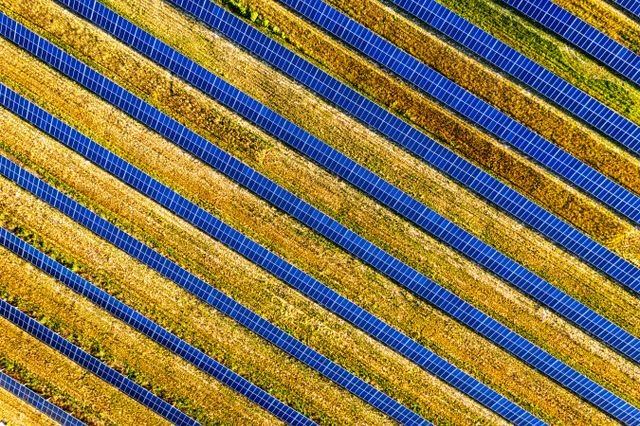
A rooftop can do more than provide shelter. With solar panels, it can become a source of electricity for the activities happening beneath it—from lighting and cooling to running equipment. This makes solar power an option worth exploring for homes, offices, factories, and commercial properties.
Solar panels convert sunlight into electricity through photovoltaic cells. An inverter then converts that electricity into a form that can be used by a building’s electrical system. The amount of power generated changes throughout the day, depending on sunlight, weather, shading, and the position of the panels.
One of the most useful questions when considering solar is simple: when does the property use electricity? A business that operates during daylight hours may be able to use much of its solar generation as it is produced. A property with higher demand at night will need a different approach, potentially involving battery storage or continued reliance on the electricity grid.
Available space is another consideration. A large roof may offer room for more panels, but size alone does not determine suitability. The roof’s condition, structural strength, surrounding shade, and access for maintenance all matter. Ground-mounted systems provide another option where suitable land is available.
Choosing panels also involves more than comparing their rated capacity. Product quality, warranty terms, supplier support, and compatibility with other equipment deserve attention. Panels are part of a complete system, so the inverter, mounting structure, cables, and protective equipment must be considered together.
A well-planned procurement process helps connect these choices with the project’s needs. The aim is to select equipment that fits the site, budget, and intended use, with clear arrangements for delivery, installation, and ongoing support. A lower purchase price may offer limited value if replacement parts or service are difficult to obtain.
Battery storage can add flexibility by saving electricity for use later. However, it is not necessary for every solar installation. Its value depends on the property’s consumption pattern, backup requirements, and system design. Solar panels alone should not be assumed to provide power during a grid outage; backup operation requires equipment specifically designed for that purpose.
Solar systems also need attention after installation. Monitoring helps identify changes in output, while inspections and appropriate cleaning support ongoing operation. Maintenance requirements vary by location, especially where dust, salt exposure, or nearby vegetation may affect equipment.
Sustainability is part of the wider picture. Solar power uses a renewable resource, but panels and other components still require materials, manufacturing, and eventual replacement. Selecting suitable equipment, maintaining it properly, and planning for responsible disposal or recycling helps support a more thoughtful approach.
The best starting point is a review of the property and its electricity use. With that information, solar becomes more than an attractive idea—it becomes a project that can be assessed against real needs. Careful planning helps turn available sunlight into a useful part of an everyday energy system.